Police Union's "Defamation" Warning to Members Raises Press Freedom Red Flags
COA notice telling command officers to compile dossiers on journalists draws scrutiny from press freedom advocates

LOS ANGELES
A letter circulating among command staff of the Los Angeles Police Department's Command Officers Association (COA) is drawing scrutiny from press freedom advocates after it instructed members to compile evidence against journalists and critics for a possible defamation campaign — a move that legal experts say runs headlong into decades of First Amendment protection for reporters covering public officials.
What the Letter Says
The notice, sent to COA members and reviewed by this reporter, tells command staff that the union has "engaged legal counsel to review potential defamation matters involving our members." It instructs officers who believe they've been the target of "potentially defamatory statements" to submit "recordings, social media posts, written or printed materials, emails, photographs, screenshots, or other documentation" to the union, which will then forward the material to counsel for evaluation.
The letter does acknowledge, almost in passing, the legal reality that undercuts its own premise: because police command officers are public officials, any defamation claim they bring must clear the "actual malice" standard — proof that a reporter knowingly published a falsehood or acted with reckless disregard for the truth. Simple criticism, opinion, or reporting that turns out to be imperfect does not meet that bar.
Why This Looks Like Pressure, Not Process
Defamation law exists to punish knowing lies, not to punish scrutiny. What this letter does, intentionally or not, is something different: it asks an entire command staff to start building files on reporters and critics, framed as legal preparation, at a moment when investigative reporters are actively examining police conduct.
That is the textbook definition of a chilling effect — a tactic designed to make journalists and watchdogs think twice before publishing the next story, regardless of whether a single lawsuit is ever filed. Courts and legislatures have spent sixty years building a wall against exactly this kind of pressure campaign.
The Legal Wall Protecting Reporters
New York Times v. Sullivan (1964). The Supreme Court held that public officials cannot win a defamation claim over statements about their official conduct unless they prove "actual malice" — that the speaker knew the statement was false or recklessly disregarded the truth. Command police officers, especially when their conduct is a matter of public interest, fall squarely into this category.
Truth is an absolute defense. No matter how damaging a true statement is to an officer's reputation, it cannot be defamation.
Opinion and fair commentary are protected. Calling a policy troubling, questioning a decision, or drawing conclusions from public facts is protected speech, not a false statement of fact.
California's anti-SLAPP statute (Code of Civil Procedure § 425.16). Any lawsuit targeting speech on a matter of public interest — and police conduct is squarely public interest — can be knocked out early through an anti-SLAPP motion. If the reporter wins that motion, the plaintiff pays the reporter's attorney's fees. It is one of the strongest deterrents against exactly the kind of coordinated legal pressure this letter appears to invite.
The Bigger Picture
Law enforcement unions are entitled to defend their members' reputations against genuine falsehoods — that is a legitimate function. But a blanket call for members to gather files on journalists, issued while those journalists are actively reporting on the department, deserves public scrutiny of its own. Press freedom organizations, including the Reporters Committee for Freedom of the Press and local press clubs, exist precisely to support journalists facing this kind of institutional pressure, free of charge.
The law is not on the side of the letter. It is on the side of the reporter.
— This report is being prepared for submission to US Senate News. Additional documentation and sourcing available on request.
More in local
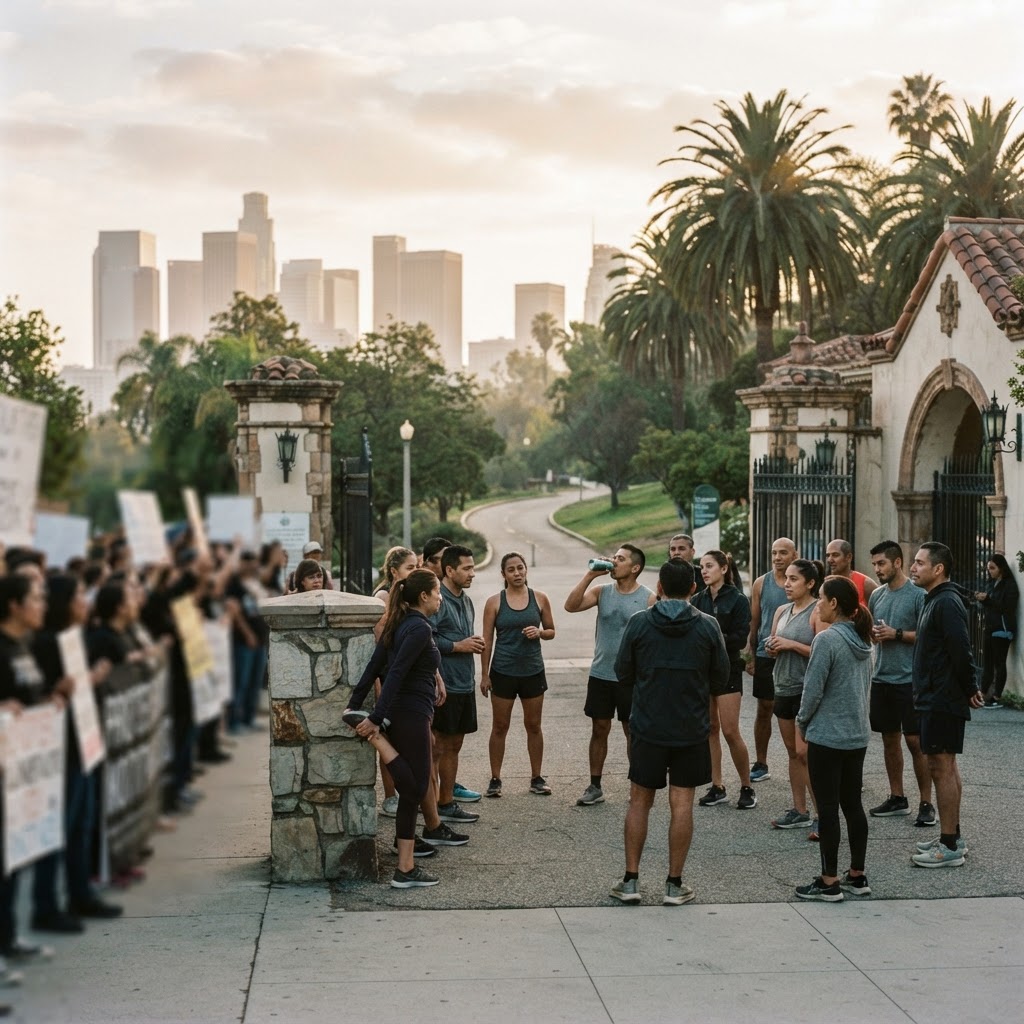
Chicano Run Club Forced Out of Leimert Park After ICE Threats — Community Leaders Question Where the Line Is
Sep 4, 2026
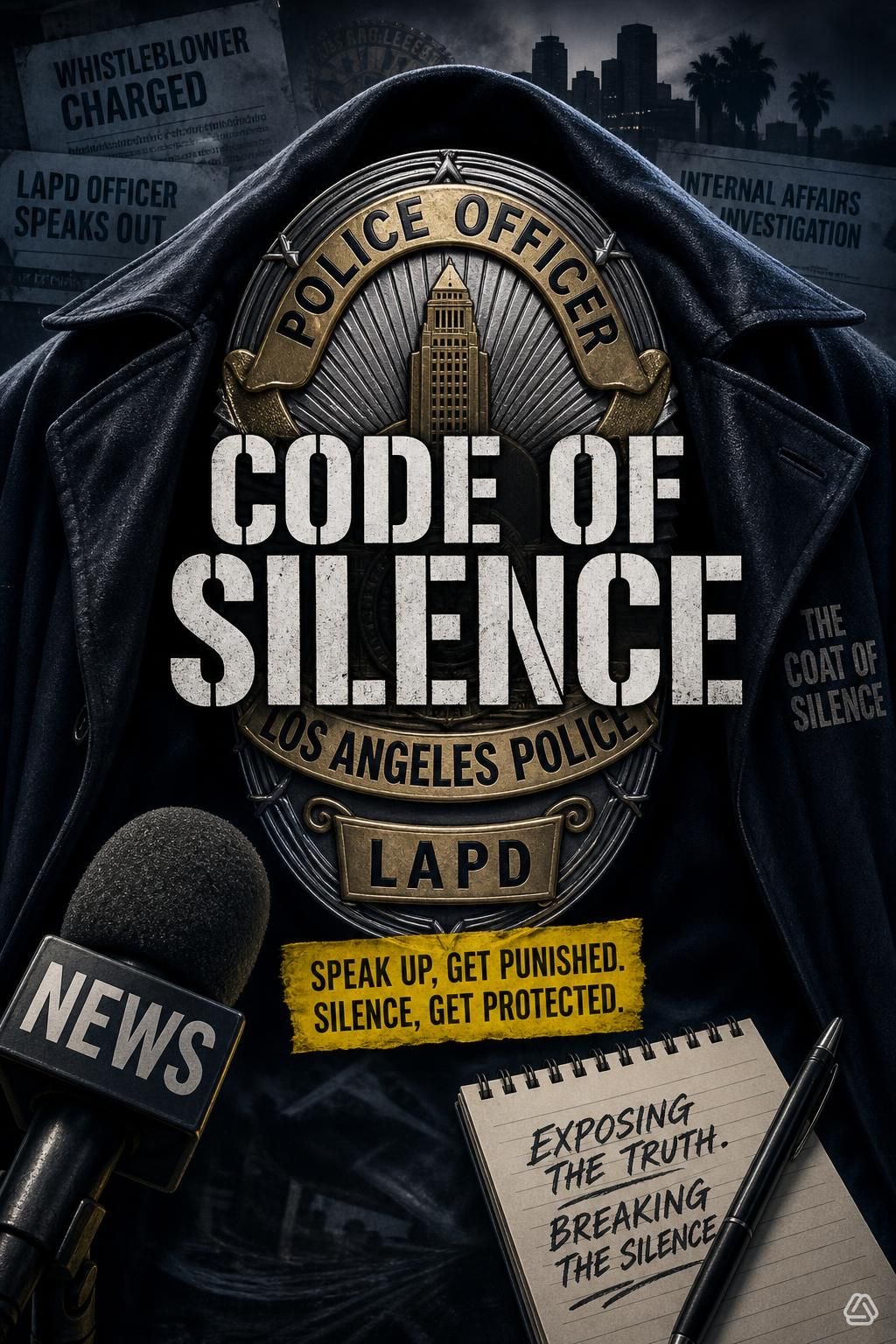
Code of Silence: Is the LAPD Punishing Whistleblowers While Its Command Staff Goes After the Press?
Sep 4, 2026
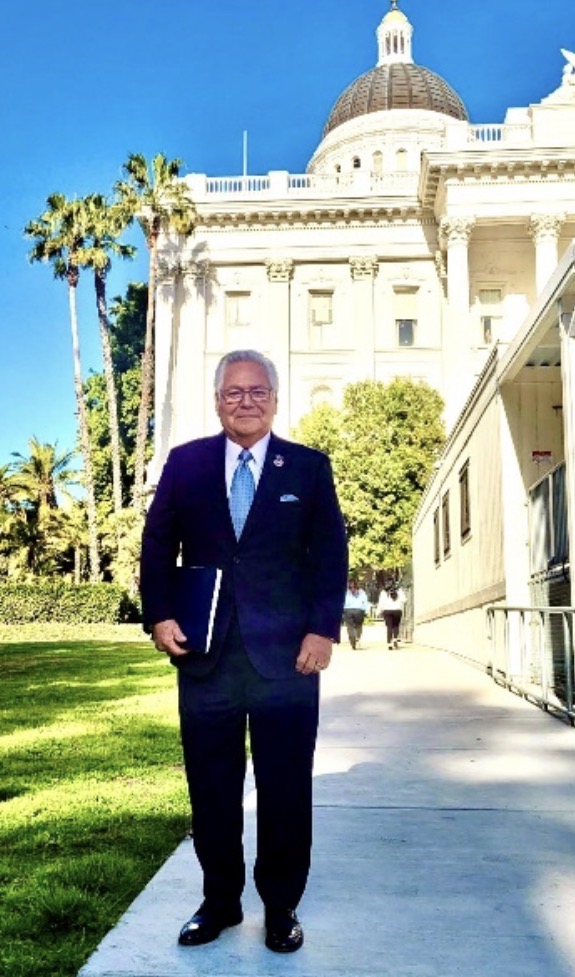
A Veteran's Fight Continues: Sen. Bob Archuleta Seeks Re-Election to Represent District 30
Sep 4, 2026

Local Advocates Push City to Apply for Federal Infrastructure Grants
May 22, 2026
Comments (0)
Be the first to comment.